How to Support Her First Period (In a Way She’ll Never Forget)
- Mrs. Twymeika Hill-Jones
- Apr 12
- 3 min read


A new school year (or honestly, a new season of life) comes with a lot of firsts.
The first real friendship.The first disappointment you don’t know how to explain. And for many young girls and menstruators… the first period. That moment—called menarche—isn’t just physical. It’s emotional. It’s confusing. It can feel exciting, scary, awkward, empowering… sometimes all at once.
And here’s the thing:
They may not remember every detail of that day—but they will remember how they were supported. Let’s talk about how to show up in a way that actually matters.
Start Here: Normalize It (But Make It Feel Special Too)
Yes, a period is natural. Yes, it’s part of a healthy,
developing body.

But don’t stop there. Because for a young person, this doesn’t just feel “normal”—it feels new.
So instead of brushing it off like “this is no big deal”, try:
“This is something your body is learning to do—it’s powerful.”
“You’re growing into a new version of yourself, and I’m here for all of it.”
That balance matters. We’re not minimizing it… we’re grounding it.
Research even shows that when menstruation is treated with shame or negativity, it can affect how girls see themselves and their bodies long-term . So this moment? It’s bigger than it looks.
Let Them Explore Their Options (Without Pressure)

Pads. Tampons. Period underwear. Cups. It can feel like a LOT. Instead of deciding for them, invite curiosity:
“Do you want to start with something simple like a pad?”
“We can try different things until you find what feels right.”
There’s no “correct” choice—just what feels comfortable right now. And that’s important, because globally, girls use a wide range of materials depending on access, culture, and knowledge—from disposable pads to reusable options . This is their introduction to body autonomy.
Let it feel like choice, not instruction.
Gently Prepare Them for What’s Coming Next
No two periods are the same. Not yours. Not mine. Not theirs.
But giving them a heads-up helps take the fear out of the unknown.
You might say:
“Your body might feel different each month. Here are some things that could happen…”
Cramps (from mild to “I need a heating pad immediately”)
Bloating or body changes
Mood shifts (yes, feelings might feel bigger)
Fatigue
Cravings (hello, snacks 😌)
And remind them:
Nothing is “wrong” with them.
Menstrual health isn’t just physical—it’s emotional and social too. The experience can affect confidence, daily activities, and even how someone shows up in school or friendships .
So keep the conversation open, not one-and-done.
Create Comfort (This Part Matters More Than You Think)
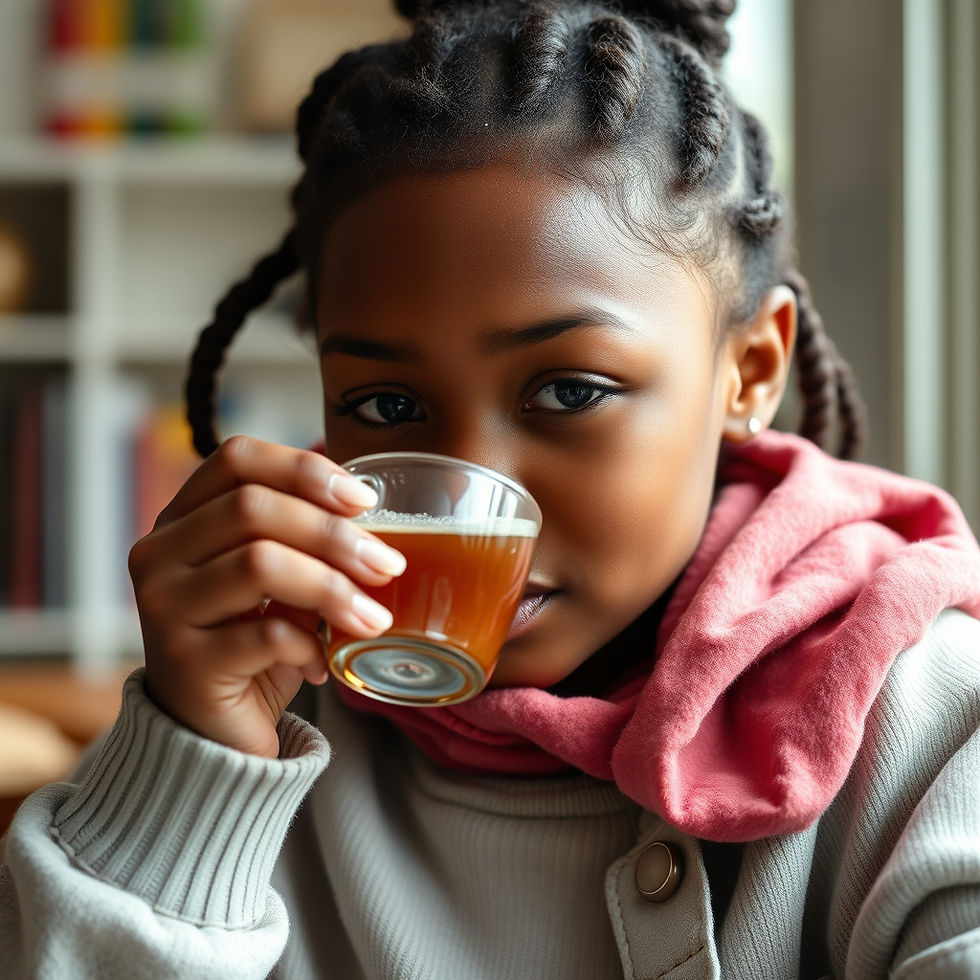
After all the information, comes the feeling.
This is where the memory is made.
Think:
A cozy blanket
Their favorite snack
A “period kit” they can call their own
Space to ask questions (even the awkward ones)
You don’t have to have all the answers. Just be present. Because in many cultures, menstruation is still surrounded by silence or stigma—which can leave girls feeling isolated or confused. Your presence disrupts that.
The Real Goal: Connection, Not Perfection
You’re not trying to give a perfect speech.
You’re building trust.
You’re saying, without saying:
“Your body is not something to hide. Your questions are welcome here. And you don’t have to go through this alone.”
Because the truth is—support during a first period isn’t just about hygiene or hormones.
It’s about identity. Confidence. Belonging. And when we show up with openness instead of awkwardness, we don’t just help them manage a period… We help them feel at home in their body.
Supporting her through her first period is a meaningful journey. Share your own experiences or tips in the comments. If you found this helpful, consider sharing it with friends or family who might benefit from this guidance. Together, we can break the stigma and create a supportive community!


Comments